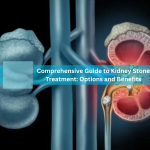
Kidney stones can be incredibly painful and disruptive to daily life. Fortunately, medical advancements have led to innovative treatments that effectively remove these stones with minimal discomfort and recovery time. One such treatment is RIRS (Retrograde Intrarenal Surgery) laser treatment. This blog will explore the advantages of RIRS laser treatment for kidney stones and why it might be the best option for you.
What is RIRS Laser Treatment?
Understanding the Procedure
RIRS is a minimally invasive procedure used to remove kidney stones. During the procedure, a flexible ureteroscope is inserted through the urethra, bladder, and ureter to reach the kidney. A laser fiber is then used to break the stones into smaller pieces, which can be removed or passed naturally through urine.
Who Needs RIRS?
RIRS is recommended for patients with kidney stones that are too large to pass on their own or are causing severe pain and complications. It is especially useful for stones located in hard-to-reach areas of the kidney.
Advantages of RIRS Laser Treatment
Minimally Invasive
One of the primary advantages of RIRS laser treatment is that it is minimally invasive. Unlike traditional open surgery, there are no large incisions involved. This means less pain, reduced risk of infection, and quicker recovery times for patients.
High Success Rate
RIRS has a high success rate in effectively removing kidney stones. The precision of the laser allows for the complete removal of stones, reducing the likelihood of recurrence. This is particularly beneficial for patients with recurring kidney stones.
Shorter Hospital Stay
Faster Recovery
Because RIRS is minimally invasive, patients typically experience faster recovery times. Most patients can go home the same day or after a short hospital stay. This allows them to return to their daily activities sooner.
Less Postoperative Pain
Patients who undergo RIRS generally report less postoperative pain compared to those who have undergone open surgery or other invasive procedures. The reduced pain contributes to a more comfortable and speedy recovery process
Precision and Accuracy
Targeted Treatment
The laser used in RIRS allows for precise targeting of kidney stones. This ensures that only the stones are broken down, leaving surrounding tissues unharmed. The accuracy of the procedure reduces the risk of complications and enhances the overall effectiveness of the treatment.
Suitable for Complex Cases
RIRS is particularly effective for treating stones in complex or hard-to-reach locations within the kidney. The flexibility of the ureteroscope allows doctors to navigate the intricate structures of the urinary tract and treat stones that other methods might miss.
Reduced Risk of Complications
Lower Infection Risk
Since RIRS does not require large incisions, the risk of infection is significantly lower compared to traditional surgeries. This makes it a safer option for patients, especially those with weakened immune systems or other underlying health conditions.
Minimal Blood Loss
The minimally invasive nature of RIRS results in minimal blood loss during the procedure. This is a significant advantage, as it reduces the risk of anemia and other complications associated with excessive blood loss.
Versatility in Stone Size and Location
Effective for Various Stone Sizes
RIRS is effective for treating kidney stones of various sizes. Whether the stones are small and numerous or large and singular, the laser can break them down efficiently. This versatility makes RIRS a suitable option for a wide range of patients.
Treating Stones in Different Locations
Kidney stones can form in different parts of the kidney, and their location can affect the choice of treatment. RIRS is highly effective for treating stones in various locations, including those in difficult-to-reach areas.
Improved Quality of Life
Quick Return to Normal Activities
The quick recovery time and reduced pain associated with RIRS mean that patients can return to their normal activities sooner. This has a positive impact on their overall quality of life, allowing them to resume work, hobbies, and other daily activities without prolonged downtime.
Long-Term Relief
By effectively removing kidney stones and reducing the risk of recurrence, RIRS provides long-term relief for patients. This means fewer disruptions to their lives and less worry about future kidney stone issues.
Conclusion
RIRS laser treatment for kidney stones offers numerous advantages, making it an excellent option for many patients. Its minimally invasive nature, high success rate, and quick recovery times are just a few of the benefits that set it apart from other treatment methods. If you are suffering from kidney stones, consider discussing RIRS with your healthcare provider to determine if it is the right option for you.
For more information on kidney health and treatment options, visit our home page. If you have any questions or need to schedule an appointment, please contact us.
Most patients can return to normal activities within a few days to a week, depending on their overall health and the complexity of the procedure.
RIRS is suitable for most patients, especially those with stones that are difficult to reach or large. However, your doctor will determine if it is the best option for your specific case.
As with any medical procedure, there are risks, but they are minimal with RIRS. These may include minor bleeding, infection, or injury to the urinary tract, but serious complications are rare.
RIRS is highly effective in removing existing stones and reducing the risk of recurrence. However, lifestyle changes and dietary adjustments are also important to prevent future stones.