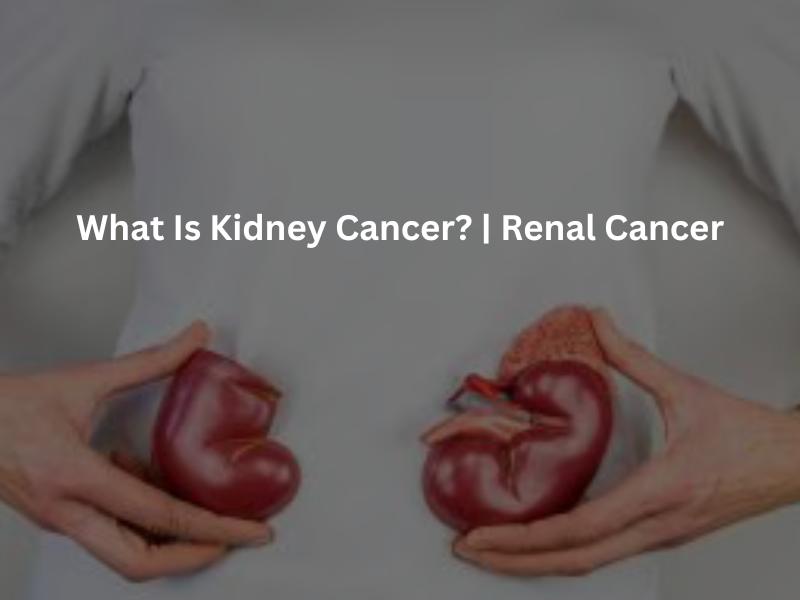
Kidney cancer, also known as renal cancer, is a type of cancer that starts in the cells of the kidneys. The kidneys are two bean-shaped organs located on each side of the spine, just below the rib cage. They are responsible for filtering waste from the blood and producing urine. Understanding kidney cancer is important for early detection and effective treatment. In this blog, we will explore what kidney cancer is, its symptoms, causes, and available treatments.
Understanding Kidney Cancer
What Is Kidney Cancer?
Kidney cancer occurs when cells in the kidney start to grow uncontrollably, forming a tumor. The most common type of kidney cancer is renal cell carcinoma (RCC), which accounts for about 85% of all kidney cancers. Other types include transitional cell carcinoma, Wilms tumor (mainly in children), and renal sarcoma.
How Does Kidney Cancer Develop?
Kidney cancer develops when genetic mutations cause kidney cells to grow and divide at an accelerated rate. These abnormal cells can form a mass (tumor) that can interfere with the normal functions of the kidneys and potentially spread to other parts of the body.
Symptoms of Kidney Cancer
Early Signs
In the early stages, kidney cancer may not cause any noticeable symptoms. As the tumor grows, symptoms may begin to appear. Some early signs include:
– Blood in the urine (hematuria)
– Persistent pain in the side or back
– Unexplained weight loss
– Fatigue
Advanced Symptoms
As kidney cancer progresses, more severe symptoms can develop, such as:
– A lump or mass in the side or back
– Anemia (low red blood cell count)
– High blood pressure
– Fever that comes and goes
If you experience any of these symptoms, it’s important to consult a healthcare professional for further evaluation. For more detailed information, you can visit our home page.
Causes and Risk Factors
Genetic Factors
While the exact cause of kidney cancer is not always known, certain genetic factors can increase the risk. Inherited conditions such as von Hippel-Lindau disease, hereditary papillary renal cell carcinoma, and Birt-Hogg-Dubé syndrome are linked to a higher likelihood of developing kidney cancer.
Lifestyle and Environmental Factors
Several lifestyle and environmental factors can also contribute to the risk of kidney cancer, including:
– Smoking: Smokers have a higher risk of developing kidney cancer.
– Obesity: Excess weight can increase the likelihood of kidney cancer.
– High blood pressure: Hypertension is associated with an increased risk.
– Exposure to certain chemicals: Prolonged exposure to chemicals like trichloroethylene can raise the risk.
Diagnosis and Staging
Diagnostic Tests
If kidney cancer is suspected, a series of diagnostic tests may be conducted, including:
– Imaging tests: Ultrasound, CT scans, and MRIs can help detect tumors.
– Biopsy: A small sample of kidney tissue is examined under a microscope to confirm the presence of cancer cells.
– Blood tests: These can provide information about kidney function and overall health.
Staging
Once kidney cancer is diagnosed, staging determines the extent of the disease. Staging helps guide treatment decisions and predict outcomes. Stages range from I (cancer confined to the kidney) to IV (cancer has spread to other parts of the body).
Treatment Options
Surgery
Surgery is the primary treatment for kidney cancer. The main types of surgery include:
– Partial nephrectomy: Removal of the tumor and a small portion of the surrounding kidney tissue.
– Radical nephrectomy: Removal of the entire kidney, nearby lymph nodes, and sometimes the adrenal gland.
Targeted Therapy
Targeted therapies use drugs to specifically attack cancer cells without harming normal cells. These treatments can be effective for advanced kidney cancer.
Immunotherapy
Immunotherapy boosts the body’s immune system to help fight cancer. Drugs like checkpoint inhibitors can help the immune system recognize and attack cancer cells.
Radiation Therapy
Radiation therapy uses high-energy rays to target and kill cancer cells. It is sometimes used to treat kidney cancer that has spread to other parts of the body.
For more information about the treatments we offer, visit our home page.
Prevention and Early Detection
Healthy Lifestyle Choices
Adopting a healthy lifestyle can reduce the risk of kidney cancer. This includes quitting smoking, maintaining a healthy weight, eating a balanced diet, and managing blood pressure.
Regular Check-ups
Regular medical check-ups can help with early detection. If you have risk factors for kidney cancer, discuss screening options with your healthcare provider.
Conclusion
Kidney cancer is a serious condition that requires prompt attention and treatment. Understanding its symptoms, causes, and treatment options can help in early detection and successful management. For personalized advice and treatment options, consult with a healthcare professional.
For more information and resources, visit our home page.
Engaging FAQs
Early signs include blood in the urine, persistent pain in the side or back, unexplained weight loss, and fatigue.
If detected early, kidney cancer can often be treated successfully with surgery and other treatments.
Renal cell carcinoma (RCC) is the most common type, accounting for about 85% of cases.
Diagnosis may involve imaging tests, a biopsy, and blood tests to evaluate kidney function and detect cancer cells.
Quitting smoking, maintaining a healthy weight, eating a balanced diet, and managing blood pressure can help reduce the risk.