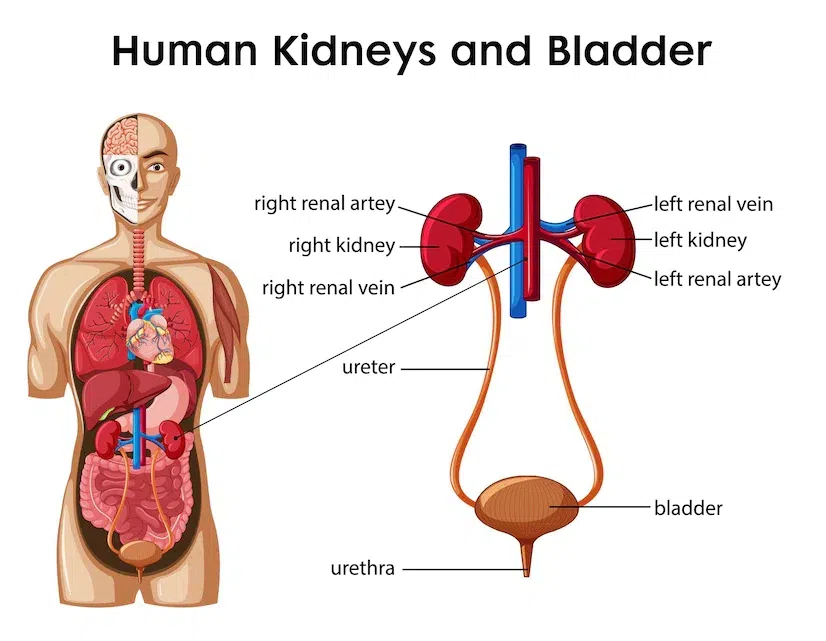
Urology is a branch of medicine that focuses on the health of the urinary system, which includes the kidneys, bladder, ureters, and urethra. While the topic may seem complex, understanding the basics of urology is essential for maintaining good urinary health. In this blog post, we’ll break down the key concepts in simple language to help you navigate the world of urology.
The Urinary System
Let’s start with the basics – the urinary system. It plays a crucial role in eliminating waste and excess fluids from your body. The process begins in the kidneys, where blood is filtered to produce urine. The urine then travels through tubes called ureters to the bladder, where it is stored until you’re ready to empty it through the urethra.
Common Urological Conditions
Urinary Tract Infections (UTIs):
UTIs are common and occur when bacteria enter the urinary system, causing infection. Symptoms may include a burning sensation during urination, frequent urination, and cloudy urine. Drinking plenty of water and practicing good hygiene can help prevent UTIs.
Kidney Stones:
These are hard deposits that form in the kidneys and can be painful when passing through the urinary tract. Staying hydrated and maintaining a balanced diet can reduce the risk of kidney stones.
Enlarged Prostate:
More common in older men, an enlarged prostate can lead to difficulty urinating. Symptoms may include a weak urine stream and frequent trips to the bathroom. Regular check-ups with a urologist can help manage this condition.
Incontinence:
Incontinence refers to the inability to control bladder function, leading to unintentional urine leakage. It can affect people of all ages and may be caused by various factors, including age, childbirth, or underlying health conditions.
Preventive Measures..
Maintaining good urological health involves adopting healthy habits:
Stay Hydrated:
Drinking an adequate amount of water is essential for kidney function and helps prevent the formation of kidney stones.
Maintain a Healthy Diet:
A balanced diet rich in fruits, vegetables, and whole grains supports overall health, including the urinary system.
Regular Exercise:
Physical activity promotes circulation and can contribute to a healthy urinary system.
When to See a Urologist
It’s important to pay attention to your body and seek medical attention if you experience persistent urological symptoms. Signs such as blood in the urine, pain during urination, or changes in urinary habits should prompt a visit to a urologist.
Conclusion
Understanding the basics of urology empowers individuals to take charge of their urinary health. By adopting preventive measures and seeking timely medical advice, you can ensure the well-being of your urinary system. Remember, a healthy lifestyle is the foundation for a healthy bladder and kidneys.