
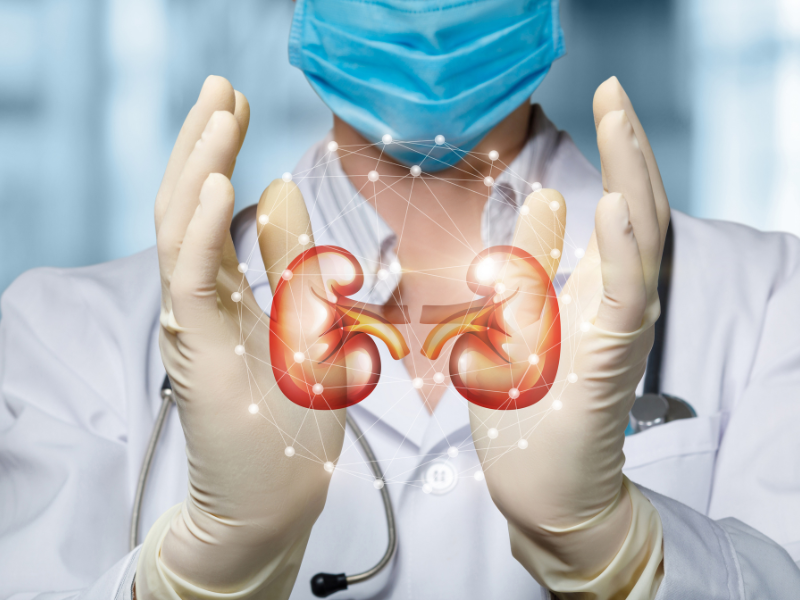
Kidney stones can affect physically active people, including runners, cyclists, gym users and competitive athletes. Being fit does not eliminate the possibility of developing a stone.
For people who exercise regularly, an important consideration is fluid loss through sweating. When these losses are not adequately replaced, urine volume may fall and stone-forming substances can become more concentrated.
Prevention involves matching hydration to individual needs, reviewing dietary habits and investigating symptoms appropriately. It does not usually mean giving up exercise.
Kidney stones are solid deposits that form when certain substances in urine crystallise. Different types include calcium oxalate, calcium phosphate, uric acid, struvite and cystine stones.
Some stones remain in the kidney without causing symptoms. Others move into the ureter—the tube connecting the kidney to the bladder—and may obstruct urine flow.
Assessment considers the stone’s size, location, associated symptoms and any effect on kidney function. You can read more about kidney and ureteric stones.
Exercise increases sweat losses, particularly during long sessions or training in hot conditions. If fluid replacement is insufficient, the body conserves water and produces less urine.
Lower urine volume can increase the concentration of substances involved in stone formation. This is especially relevant for someone with a previous stone or other contributing factors.
Limited access to drinks, repeated sessions and additional heat exposure can make fluid replacement more difficult.
Fluid needs vary with body size, exercise intensity, session duration, clothing and environmental conditions. A fixed drinking schedule copied from another athlete may not suit your needs.
A previous stone, family history and certain medical conditions can affect risk. Diet may also contribute, depending on the stone type.
High sodium intake and excessive animal protein are relevant considerations for some stone formers. However, no single food or sports supplement explains every case. Prevention should reflect the individual’s findings.
There is no single fluid intake suitable for every athlete.
A hydration plan should consider:
For people with a history of stones, clinicians may recommend drinking enough to produce a particular daily urine volume. This is different from prescribing the same number of litres for everyone: someone sweating heavily may need more fluid to achieve that urine output.
Avoid forcing large quantities of water during endurance exercise. Excessive fluid consumption can cause exercise-associated hyponatraemia, a potentially serious reduction in blood sodium.
Sports drinks do not eliminate this risk if consumed excessively. The aim is an individual fluid plan that avoids both substantial dehydration and overdrinking. Sports Nutrition and Kidney Stone Prevention
Dietary advice should support training needs while addressing the person’s stone risk.
| Dietary factor | What to consider |
|---|---|
| Sodium | Review frequent intake of salty processed foods, sauces and packaged meals. |
| Animal protein | Avoid assuming that very high intake is necessary; consider total intake across meals and supplements. |
| Dietary calcium | Do not routinely remove calcium-containing foods because a stone contains calcium. |
| Oxalate | Restrictions may help selected calcium oxalate stone formers, depending on assessment. |
| Supplements | Review ingredients, doses and combinations with a clinician or dietitian. |
The appropriate changes depend on stone composition and investigation results. Broad dietary restrictions can be unnecessary and may compromise nutrition.
Usually, removing dietary calcium is not the answer. Adequate calcium from food can help bind oxalate in the intestine, reducing its absorption.
Calcium supplements require a separate discussion about dose, timing and clinical need. They should not automatically be treated as equivalent to calcium-containing foods.
Protein powders are not interchangeable products. Their relevance depends on ingredients, total protein intake and the athlete’s health and stone history.
High-dose vitamin C supplements may also be relevant for calcium oxalate stone formers. Bring supplement labels to an assessment rather than relying on general claims that every supplement is either safe or harmful.
Do not assume that new side or back pain is simply muscle strain.
Possible stone symptoms include:
These symptoms can have other causes. Examination and selected investigations help establish the diagnosis.
Stop exercising and seek urgent assessment for:
Fever with suspected stone-related obstruction can indicate a serious problem and requires urgent medical attention. Do not try to manage it by drinking more water and continuing exercise.
Visible blood in urine should also be assessed rather than automatically attributed to training.
A clinician may review symptoms, previous stones, family history, diet, medicines and supplements.
Depending on the situation, investigations may include:
Not everyone needs every investigation. Recurrent stones or particular risk factors may justify a more detailed prevention assessment.
This depends on symptoms, obstruction, infection and the treatment plan.
Some people with stable, non-obstructing stones may continue suitable activity following advice. Others need to pause training while symptoms or complications are investigated.
Exercise is not a reliable method for forcing a stone to pass. After a procedure, return to training should follow the treating team’s instructions, particularly if a ureteric stent remains in place.
Exercise is not a diagnosis or a single explanation for stones. Fluid losses, dietary patterns, medical history and individual susceptibility all matter.
Yes. Physical fitness does not exclude stone disease. Previous stones, family history and other factors may remain relevant.
No single amount suits every session or athlete. Fluid needs vary with sweat losses, conditions and exercise duration. Avoid both inadequate replacement and forced overdrinking.
No. They are not a specific stone-prevention treatment. Whether electrolytes are needed during exercise depends on the activity and individual circumstances.
Not automatically. Adequate dietary calcium can be helpful for calcium oxalate stone prevention. Advice should consider the stone type and overall diet.
No. Management depends on stone size, location, symptoms, infection, obstruction and kidney function. Some stones can be observed or managed without a procedure.
Pain relief alone does not establish that the stone has passed or that obstruction has resolved. Return to activity should reflect the assessment and treatment plan.
Athletes can support kidney stone prevention through an individual hydration plan, suitable nutrition and follow-up when indicated. Heavy sweating deserves attention, but excessive drinking and unnecessary dietary restrictions can also cause problems.
New urinary symptoms, significant pain or fever should take priority over training. For broader background, read the beginner’s guide to urinary health.
Medical disclaimer: This article provides general educational information and does not replace personalised medical advice, diagnosis or treatment. Hydration, dietary changes and return to exercise should reflect individual health and clinical findings.
Plot no 70, Moreshwar Heritage, Sector 5, Ulwe, Navi Mumbai, Maharashtra 410206
For Booking: +91 8591009591
Chat With Us
49, Sion – Panvel Hwy, Sector 7, Vashi, Navi Mumbai, Maharashtra 400703
For Booking: +91 8007542142
Chat With Us