
Introduction:
Kidney tumors are complex, but understanding their stages is crucial for early intervention. The first stage of a kidney tumor is pivotal, marking its initial growth within the kidney. In this article, we’ll unravel the mysteries surrounding the first stage of kidney tumors, shedding light on its significance and implications for treatment.
Exploring Stage 1 Kidney Tumors:
Stage 1 kidney tumors are characterized by their localized nature, meaning they have not spread beyond the kidney. At this early phase, the tumor is typically small and confined to its site of origin. Detecting kidney tumors at this stage offers the best chance for successful treatment and improved outcomes.
Understanding Tumor Development:
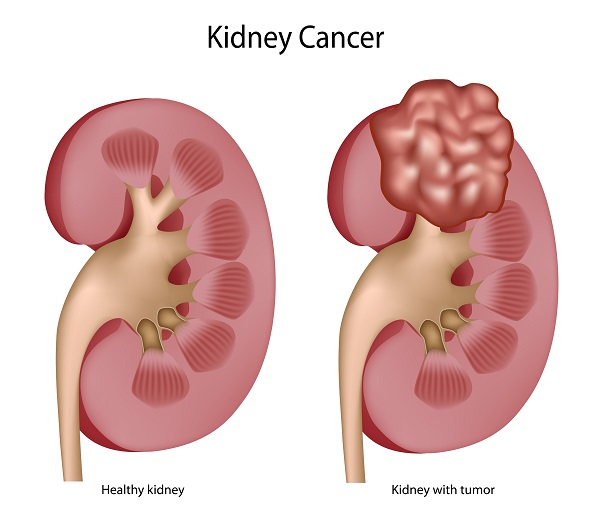
In the first stage, kidney tumors begin as clusters of abnormal cells within the kidney tissue. These cells proliferate, forming a mass that gradually grows in size. Despite their growth, tumors in the first stage often do not cause noticeable symptoms, making early detection challenging without proper screening.
Diagnostic Approaches:
Detecting kidney tumors in the first stage relies on various diagnostic techniques. Imaging tests such as ultrasounds, CT scans, and MRIs provide detailed images of the kidneys, allowing healthcare providers to identify abnormalities. Additionally, a biopsy may be performed to obtain tissue samples for further analysis, aiding in the confirmation of diagnosis and assessment of tumor characteristics.
Signs and Symptoms:
While kidney tumors in the first stage may not manifest obvious symptoms, some individuals may experience subtle signs that warrant attention. These symptoms can include blood in the urine (hematuria), persistent abdominal or flank pain, unexplained weight loss, fatigue, or fever. Recognizing these symptoms prompts further evaluation and timely intervention.
Treatment Strategies:
Treatment options for Stage 1 aim to remove or destroy the tumor while preserving kidney function. Surgical removal, known as nephrectomy, may involve removing either the tumor alone (partial nephrectomy) or the entire affected kidney (radical nephrectomy). Alternatively, minimally invasive techniques such as ablation therapy may be employed to destroy the tumor using heat or cold. with close monitoring of the tumor’s progression over time.
Prognosis and Follow-up:
The prognosis for individuals with Stage 1 kidney tumors is generally favorable, especially with early detection and appropriate treatment. However, regular follow-up appointments and monitoring are essential to detect any recurrence or progression of the disease. By staying proactive and maintaining open communication with healthcare providers, individuals can optimize their chances for successful outcomes and long-term survival.
Conclusion:
Understanding the first stage is paramount for timely intervention and effective management. By familiarizing themselves with the signs and symptoms, undergoing regular screenings, and exploring suitable treatment options, individuals can take control of their kidney health.
Visit Our Website : https://drprakashsankapal.com/