The Benefits of RIRS Surgery: A Comprehensive Guide
Kidney stones can be a painful and disruptive medical condition. Fortunately, medical advancements have introduced less invasive and more effective treatments, such as Retrograde Intrarenal Surgery (RIRS). This blog post will explore the benefits of RIRS surgery, providing valuable insights for those considering this treatment.
- What is RIRS Surgery?
- Understanding RIRS
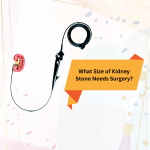
- Retrograde Intrarenal Surgery (RIRS) is a minimally invasive procedure used to treat kidney stones. During RIRS, a surgeon inserts a flexible ureteroscope through the urinary tract to reach the kidney stones. Once located, a laser breaks the stones into smaller fragments, which can then be removed or passed naturally through the urine.
- How RIRS Differs from Traditional Surgery
- Unlike traditional open surgery, RIRS does not require large incisions. This approach minimizes trauma to surrounding tissues, leading to a host of benefits for patients.
- Benefits of RIRS Surgery
- Minimally Invasive Nature
- One of the primary benefits of RIRS surgery is its minimally invasive nature. Traditional kidney stone surgeries involve large incisions and significant recovery time. In contrast, RIRS uses small instruments and natural body openings, resulting in less pain, reduced scarring, and quicker healing.
- High Precision
- RIRS allows for high precision in targeting and fragmenting kidney stones. The flexible ureteroscope can navigate the urinary tract’s intricate pathways, ensuring that stones are effectively located and treated. This precision reduces the likelihood of leaving behind stone fragments, which can cause future complications.
- Shorter Hospital Stays
- Because RIRS is minimally invasive, patients often experience shorter hospital stays compared to traditional surgery. Many patients can return home the same day or within a day or two after the procedure, reducing overall healthcare costs and minimizing disruption to their daily lives.
- Faster Recovery Times
- Recovery from RIRS surgery is typically faster and more comfortable than traditional surgery. Patients can usually resume normal activities within a few days to a week, significantly reducing downtime and enhancing their quality of life.
- Reduced Risk of Complications
- The minimally invasive approach of RIRS surgery results in a lower risk of complications such as infection, bleeding, and damage to surrounding organs. This makes RIRS a safer option, particularly for individuals with underlying health conditions.
- Minimally Invasive Nature
- Enhanced Quality of Life
- Relief from Symptoms
- One of the most significant benefits of RIRS surgery is the relief it provides from the painful symptoms of kidney stones. By effectively removing the stones, RIRS helps patients return to their normal activities without the discomfort and disruption caused by kidney stones.
- Long-Term Benefits
- In addition to immediate symptom relief, RIRS can provide long-term benefits by reducing the risk of stone recurrence. With fewer residual fragments left behind, patients are less likely to experience future kidney stone episodes, leading to sustained improvements in their overall health and well-being.
- Relief from Symptoms
- Cost-Effectiveness
- Lower Healthcare Costs
- Due to shorter hospital stays and faster recovery times, RIRS can be more cost-effective than traditional surgery. Patients spend less time in the hospital, and the reduced risk of complications means fewer follow-up treatments and associated costs.
- Improved Productivity
- Faster recovery times also translate to improved productivity for patients. By returning to work and daily activities sooner, individuals can minimize the economic impact of their medical condition.
- Lower Healthcare Costs
- Suitable for Various Stone Sizes
- Versatility in Treatment
- RIRS is versatile and can effectively treat kidney stones of various sizes and locations. Whether dealing with small or large stones, RIRS provides a reliable treatment option that can be tailored to the patient’s specific needs.
- Personalized Approach
- The flexibility of the ureteroscope used in RIRS allows for a personalized approach to treatment. Surgeons can adapt their techniques to the unique anatomy and stone characteristics of each patient, ensuring optimal outcomes.
- Versatility in Treatment
- Less Pain and Discomfort
- Patient Comfort
- The minimally invasive nature of RIRS means that patients experience less pain and discomfort during and after the procedure. This contributes to a more positive overall experience and encourages patients to seek timely treatment.
- Enhanced Post-Operative Care
- With reduced pain and quicker recovery, patients can benefit from enhanced post-operative care. The need for pain medication is often lower, and patients can focus on their recovery and return to normal life more quickly.
- Patient Comfort
- Conclusion
- Retrograde Intrarenal Surgery (RIRS) offers numerous benefits for individuals suffering from kidney stones. From its minimally invasive nature and high precision to shorter hospital stays and faster recovery times, RIRS provides a safe, effective, and patient-friendly treatment option. By choosing RIRS, patients can experience significant relief from symptoms, improved quality of life, and reduced healthcare costs.
The RIRS procedure typically takes between 1 to 2 hours, depending on the size and location of the kidney stones.
RIRS is generally well-tolerated, and patients experience less pain compared to traditional surgery. Any discomfort can be managed with pain medication.
Most patients with kidney stones are candidates for RIRS, but a healthcare provider will evaluate individual cases to determine suitability.
RIRS has a high success rate, with most patients achieving complete stone removal and experiencing fewer complications.
While RIRS is generally safe, potential risks include infection, bleeding, and injury to the urinary tract. However, these risks are lower compared to traditional surgery.
By understanding the benefits and details of RIRS surgery, patients can make informed decisions about their treatment options, leading to better health outcomes and improved quality of life.