
Staying properly hydrated is the single most effective, low‑cost strategy for preventing kidney stones. While many people know that “drink more water,” the exact volume, timing, and type of fluid matter. This guide breaks down the science, gives clear daily targets, and offers practical ways to hit your hydration goals.
Kidney stones form when minerals and salts in the urine become supersaturated and crystallize. The concentration of these stone‑forming substances is directly tied to urine volume: the less urine you produce, the higher the concentration, and the greater the risk of stone formation. Studies consistently show that increasing fluid intake dilutes urine, lowers calcium oxalate and uric acid concentrations, and reduces the likelihood of both first‑time and recurrent stones.
Research indicates that producing at least 2.5 liters of urine per day (about 85 ounces) significantly cuts stone risk. One large meta‑analysis found that patients who maintained this urine output had up to a 50 % lower recurrence rate compared with those who drank less Cochrane review of water for urinary stones.
Guidelines from major health organizations converge on a similar range, but they differ slightly in wording. Below is a quick comparison of the most cited recommendations:
Putting these together, a practical target for most adults is **2.5–3 liters of total fluid per day**, with the majority coming from water. If you live in a hot climate or exercise heavily, you may need to add an extra 0.5–1 liter to compensate for sweat loss.
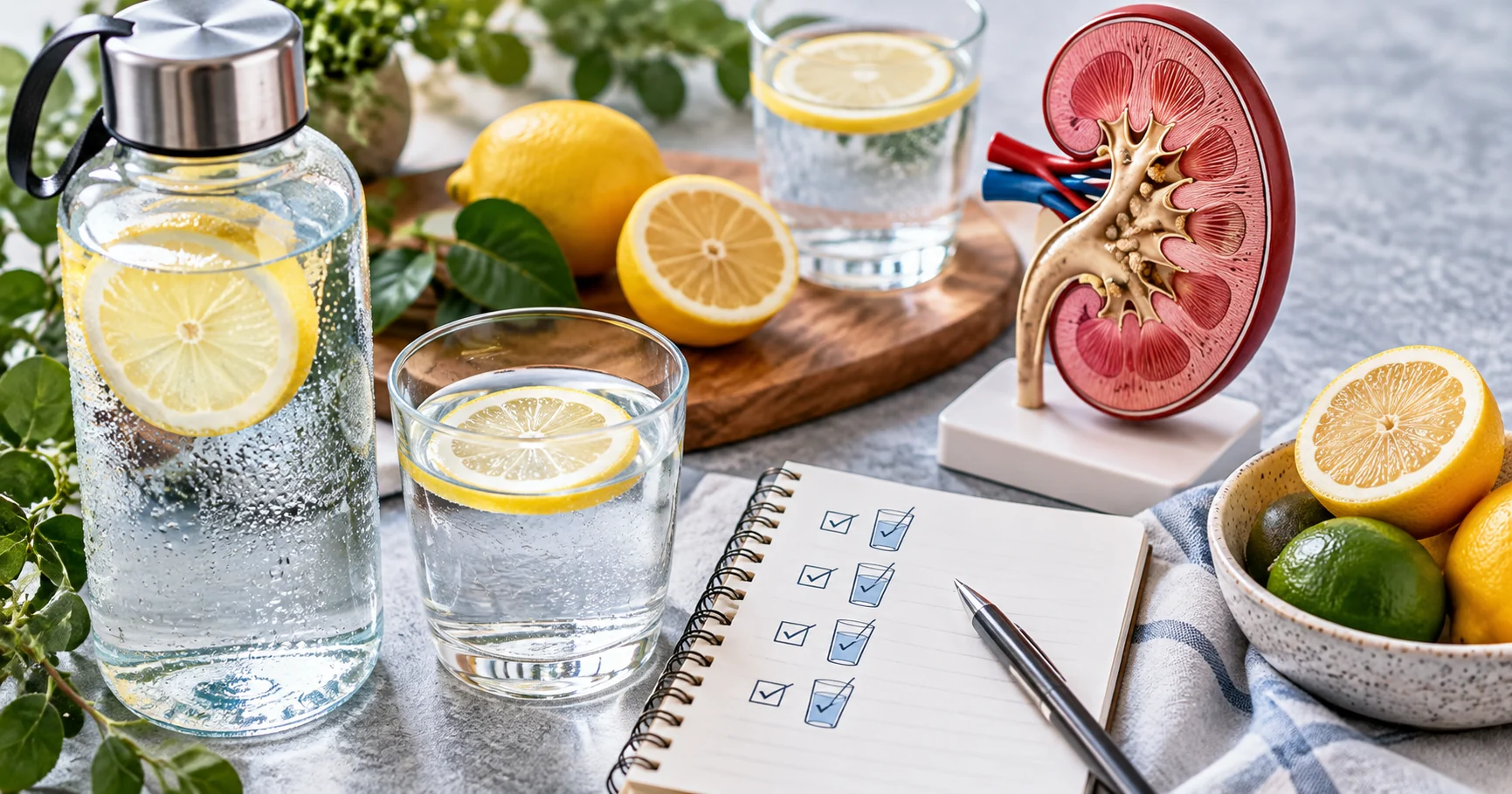
Reaching 2.5–3 liters can feel daunting, but small habits add up. Choose strategies that fit your routine and preferences:
For those who wonder whether their symptoms might be stone‑related, our Kidney Stone vs UTI guide offers a quick symptom checklist.
While water is the gold standard, certain beverages can further aid stone prevention:
GoodRx highlights the top five drinks for stone prevention and lists four to avoid, confirming that citrus‑based drinks rank highest GoodRx best drinks for kidney stones.
Everyone’s water needs differ based on body size, activity level, climate, and health conditions. Here’s how to fine‑tune your intake:
UT Southwestern’s recent interview underscores that “lots of water, small dietary changes” dramatically lower stone incidence in the so‑called “Stone Belt” of the United States UT Southwestern expert interview.
Finally, remember that consistency beats occasional binge‑drinking. Aim for steady fluid consumption throughout the day rather than a single large volume at dinner.
Aim for about 10‑12 eight‑ounce glasses (roughly 2.5–3 liters) of total fluid daily, spread evenly throughout the day.
Yes, moderate amounts of coffee and tea contribute to total fluid intake, but limit caffeine to avoid its mild diuretic effect.
Lemon water adds citrate, which can help inhibit calcium‑oxalate stones, making it a slightly more protective option than plain water.
Producing at least 2.5 liters (≈85 ounces) of urine per day is a reliable marker that your fluid intake is sufficient to lower stone risk.
Yes, sugary and carbonated drinks can raise calcium excretion and lower urine volume, both of which increase stone formation risk.
Increase your daily fluid by about 0.5 liter for each hour spent in high heat to compensate for sweat loss and maintain urine dilution.
Staying within the 2.5–3 liter daily fluid range, primarily from water, is a proven, simple way to keep kidney stones at bay. Track your intake, choose kidney‑friendly drinks, and adjust for activity and climate to make hydration a lifelong habit.
Plot no 70, Moreshwar Heritage, Sector 5, Ulwe, Navi Mumbai, Maharashtra 410206
For Booking: +91 8591009591
Chat With Us
49, Sion – Panvel Hwy, Sector 7, Vashi, Navi Mumbai, Maharashtra 400703
For Booking: +91 8007542142
Chat With Us