
Kidney stones are a common urological problem in Navi Mumbai, and choosing the right treatment starts long before a scalpel or laser is used. A thorough evaluation helps the urologist understand the stone’s size, location, composition, and any impact on kidney function, ensuring that the selected therapy is both safe and effective.
Every stone behaves differently. Some pass spontaneously, while others require minimally invasive surgery. The evaluation phase answers three critical questions:
Understanding these factors allows the urologist to avoid unnecessary procedures and to tailor preventive advice for future stone formation.
During the initial consultation, the doctor will inquire about diet, fluid intake, family history, and any previous stone episodes. This conversation often reveals lifestyle triggers that can be modified later. For detailed guidance on diet, see our Kidney Stone Diet article.
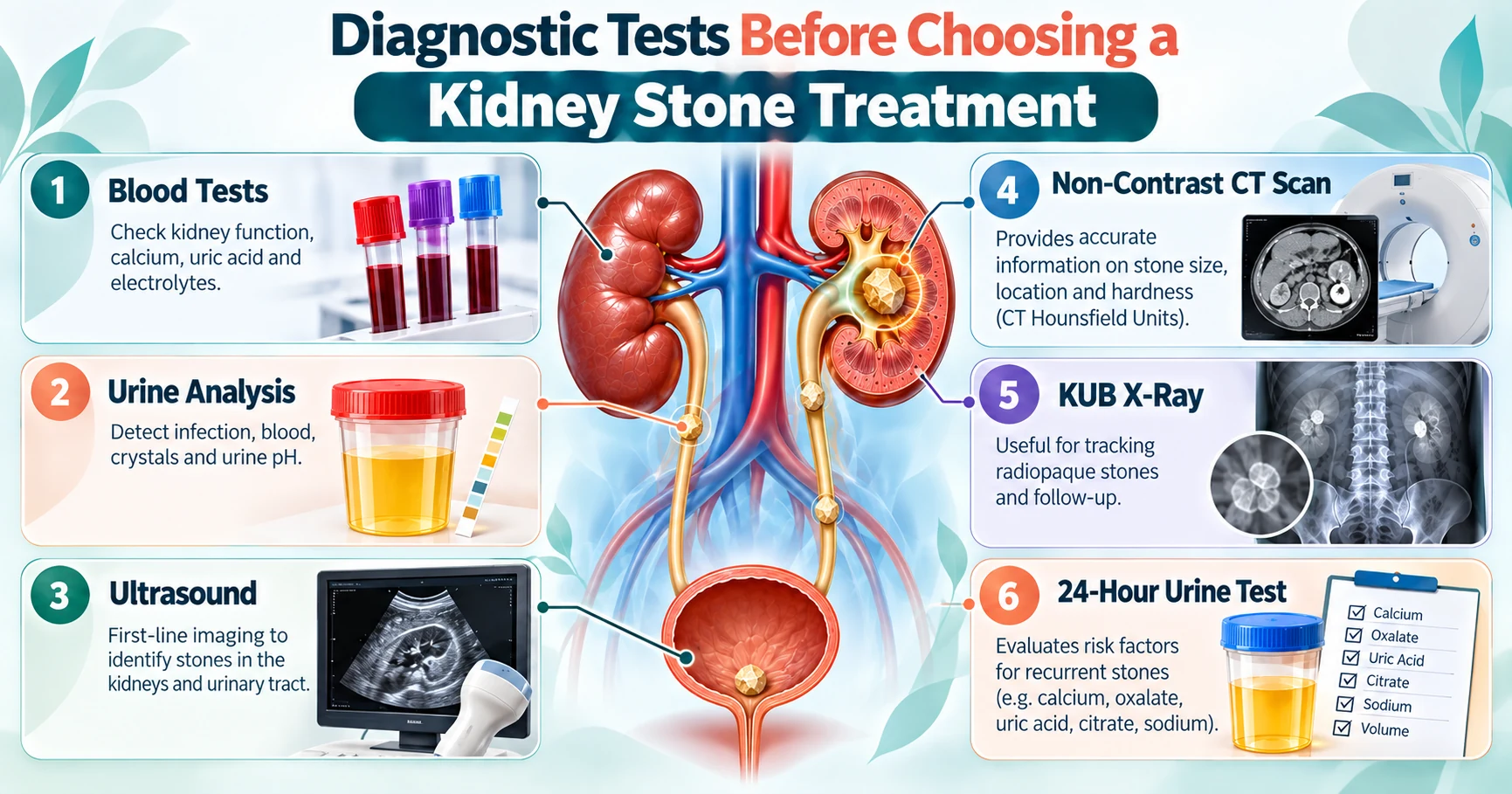
Modern imaging and laboratory tests give a complete picture of the stone burden. Below is the typical test panel used in Navi Mumbai clinics:
These investigations are usually completed within a single visit, allowing the urologist to discuss findings promptly.
Once the data are collected, the physician categorises the stone based on three pillars:
For example, a 12 mm stone in the lower pole with high Hounsfield units is a classic candidate for Retrograde Intrarenal Surgery (RIRS), as highlighted by RIRS Kidney Stone Removal in Navi Mumbai.
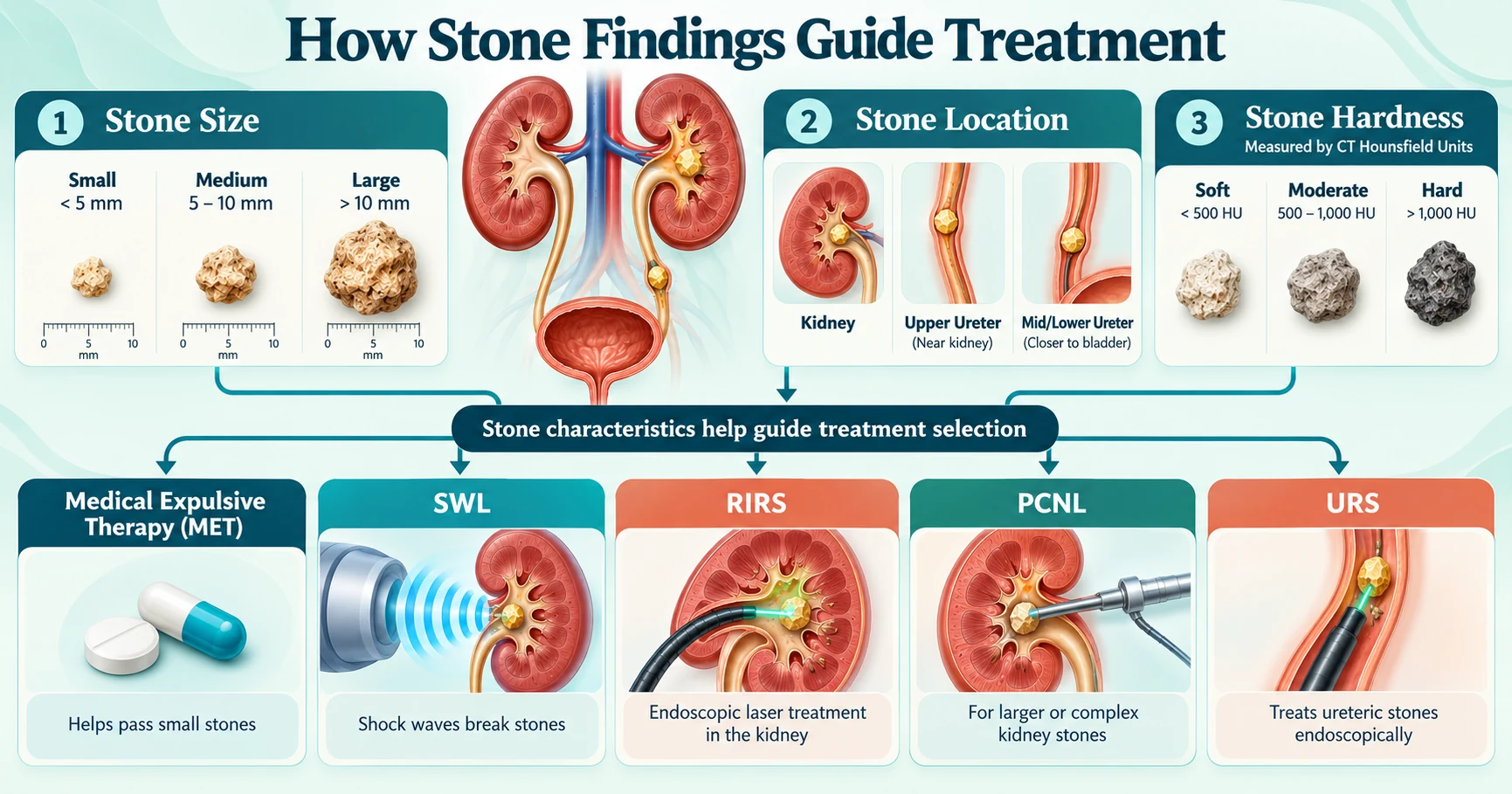
After the evaluation, the urologist matches the stone profile with the most appropriate therapy:
Each option balances stone clearance rates, invasiveness, recovery time, and potential complications. Clinics such as Effective Kidney Stone Treatment in Navi Mumbai often discuss these trade‑offs during the post‑evaluation consultation.
Once a treatment plan is set, patients receive specific pre‑operative instructions: fasting guidelines, medication adjustments, and sometimes a pre‑procedure urine culture. Follow‑up imaging is scheduled to confirm stone clearance, and preventive counseling is reinforced—often referencing our Why Do Kidney Stones Keep Coming Back? guide.
Patients typically leave the clinic with a clear written plan, a schedule for any required imaging, and a list of lifestyle modifications. The transparent evaluation process not only builds trust but also improves the odds of a successful, complication‑free outcome.
A typical work‑up includes blood tests (creatinine, electrolytes), urine analysis, ultrasound, non‑contrast CT scan, and sometimes a plain X‑ray or metabolic urine study.
Yes, stones 5 mm or smaller often pass on their own with increased fluid intake and medical expulsive therapy, provided there is no infection or obstruction.
CT is the most accurate test for size, location, and composition, but ultrasound may be used as an initial screen, especially for pregnant patients or those avoiding radiation.
The decision is based on stone size, location, and hardness (CT Hounsfield units). Larger or harder stones in difficult locations often lead to RIRS, while very large stones may require PCNL.
Staying well‑hydrated, reducing salt and animal protein intake, and following a diet low in oxalates can lower recurrence risk, as detailed in our [[LINK:9|Kidney Stone Diet]] article.
Once the imaging and labs are reviewed, most clinics can schedule the chosen procedure within a week to two weeks, depending on the urgency and patient readiness.
Understanding the full scope of kidney stone evaluation in Navi Mumbai empowers you to make an informed decision about treatment. Schedule a consultation today to begin the personalized assessment that leads to the right therapy for your situation.
Plot no 70, Moreshwar Heritage, Sector 5, Ulwe, Navi Mumbai, Maharashtra 410206
For Booking: +91 8591009591
Chat With Us
49, Sion – Panvel Hwy, Sector 7, Vashi, Navi Mumbai, Maharashtra 400703
For Booking: +91 8007542142
Chat With Us