
Retrograde Intrarenal Surgery (RIRS) has become a go‑to minimally invasive option for removing kidney stones. While the procedure itself is quick and often outpatient, patients frequently wonder what to expect once they leave the operating room. This guide breaks down the normal post‑operative experience, outlines a realistic recovery timeline, and highlights the signs that merit a call to your urologist.
RIRS uses a flexible ureteroscope and a laser to fragment stones inside the kidney. Because the access route is through the natural urinary tract, there is no large incision, and most patients are discharged within a few hours to a day after surgery. According to Dr. Goel Urology, mild discomfort or a burning sensation during urination is common in the first 48 hours and usually resolves quickly. Most people can resume light daily activities within 24–48 hours, though full recovery may take a bit longer.
The body’s response to the laser and the brief ureteral manipulation can produce a handful of predictable symptoms:
These symptoms align with the observations from Gleneagles Hospitals’ recovery guide and are generally not a cause for alarm unless they worsen or persist beyond the expected window.
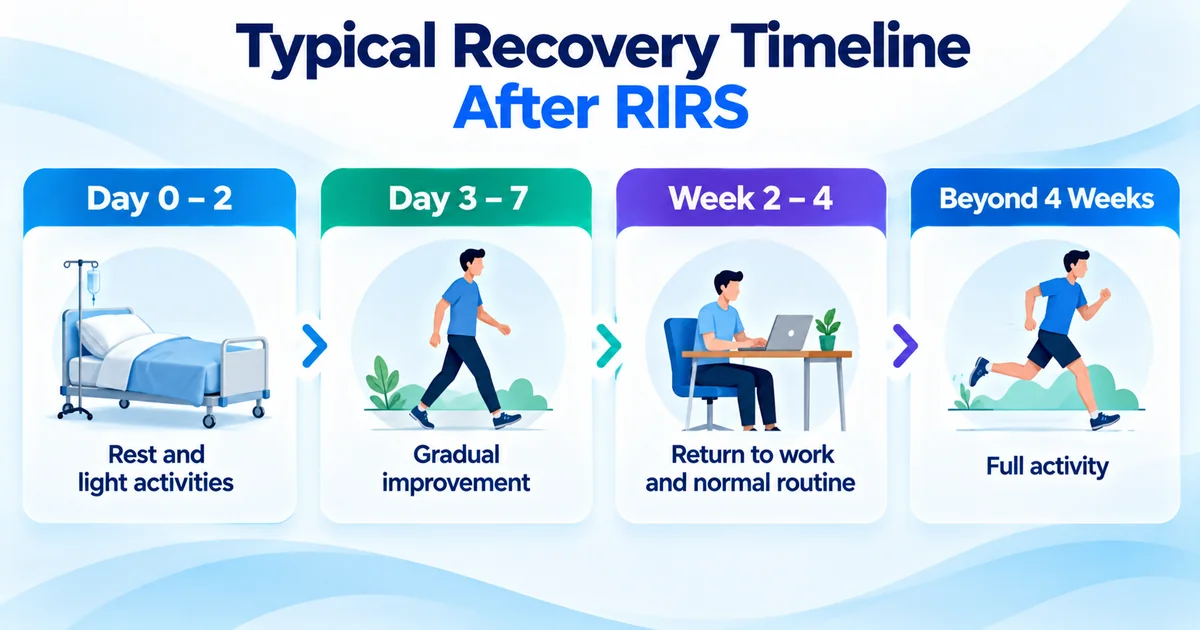
Recovery after RIRS can be visualized as a series of phases. Below is a realistic timeline based on clinical experience and patient reports:
These milestones echo the data from CureStone’s recovery details, which note that light daily activities can be resumed within 2‑3 days, while complete recovery may stretch to a month for some individuals.
Ureteral stents are often left in place after RIRS to prevent swelling‑induced blockage. Stent‑related sensations are distinct:
If you experience high fever, severe pain, or inability to pass urine, contact your surgeon immediately – these could signal infection or obstruction.
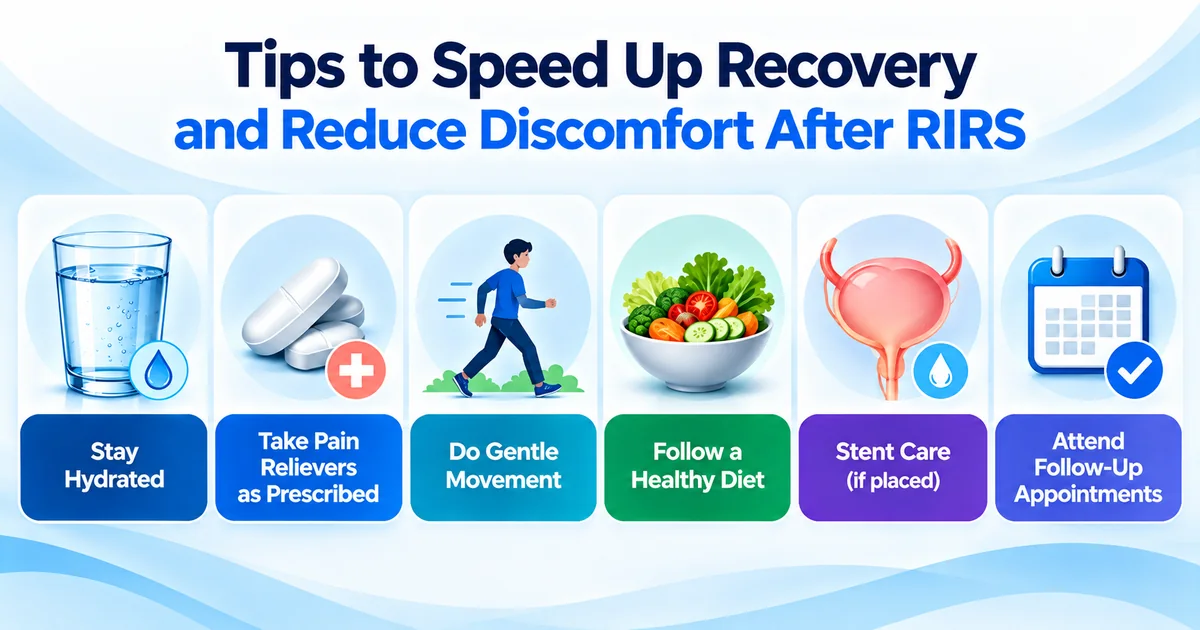
Proactive after‑care can make the difference between a smooth recovery and unnecessary setbacks. Consider the following evidence‑based recommendations:
While most post‑RIRS symptoms are benign, certain signs require prompt medical attention:
These symptoms may indicate infection, obstruction, or a complication that needs early intervention. For a deeper dive into post‑procedure complications, see the discussion in CureStone’s laser RIRS overview.
Most patients feel back to their baseline within two weeks, but the exact timeline depends on individual health, stone size, and whether a stent was used. If you’re eager to resume exercise, start with low‑impact activities (walking, stationary cycling) and gradually increase intensity after the two‑week mark, provided you have no lingering pain.
Remember that proper after‑care not only eases immediate discomfort but also helps prevent future stone events. Integrating the Kidney Stone Recurrence prevention strategies into your lifestyle can extend the benefits of a successful RIRS.
Light household tasks can usually be resumed within 24–48 hours, while most people feel fully back to work and regular exercise by two to three weeks.
Yes, pink or tea‑colored urine is common for the first few days post‑procedure and typically clears on its own without intervention.
What pain medication is recommended after kidney stone laser surgery?
Doctors often prescribe NSAIDs such as ibuprofen or naproxen, and acetaminophen can be added for additional relief. Follow the dosage instructions provided by your surgeon.
Seek medical help if you develop a fever over 38 °C, chills, worsening flank pain, or any foul‑smelling urine, as these may signal a urinary‑tract infection
A stent is placed in many cases to keep the ureter open while it heals. It usually stays for 1‑2 weeks and is removed in a quick office visit.
Start with gentle activities like walking after the first few days. More vigorous workouts can be reintroduced after about two weeks, provided you have no pain or urinary issues.
RIRS offers a fast, minimally invasive route to clear kidney stones, and most patients experience only mild, short‑lived symptoms. By staying hydrated, following the outlined after‑care tips, and watching for red‑flag signs, you can ensure a smooth recovery and get back to your daily routine quickly.
Plot no 70, Moreshwar Heritage, Sector 5, Ulwe, Navi Mumbai, Maharashtra 410206
For Booking: +91 8591009591
Chat With Us
49, Sion – Panvel Hwy, Sector 7, Vashi, Navi Mumbai, Maharashtra 400703
For Booking: +91 8007542142
Chat With Us